A post about suet? Are you serious?

I know what you are thinking.  He’s really lost the plot.  The writers’ block has come back. All that sunshine in South Carolina has addled his brain.  And I am sure that this was exactly what the butcher in Publix supermarket was thinking, as I tried to explain to him why I need beef fat.

“Do you sell beef fat?”

“??”

“I want to use it to make a dessert, you see.”

“??!?”

“You mix it with raisins, sugar and spices – ”

“??!!??!!”

” – it’s a British Christmas delicacy.”

“??!!?  No sir, we don’t sell fat.”

Backing up a bit, for our American readers… in the UK we often have mince pies at Christmas.  Simply pastry cases with mincemeat in them.  Delicious, especially with a piece of Wensleydale cheese.
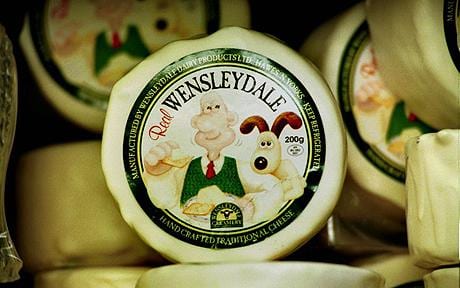
wensleydale

(Warning: real research, from a book and not from Wikipedia, follows.)  Mincemeat, once upon a time, was actual chopped meat, with spices and fruits added.  Gradually it became sweeter and more of a dessert rather than a main course, although mutton was commonly used in mincemeat as late as the early twentieth century.  Samuel Pepys records eating mince-pie at Christmas in 1662 (along with “a mess of plum-porridge and roasted pullet”.

I have been a figure of fun amongst some of my friends for making my own mincemeat, despite the fact you can quite easily buy it in jars.  A key ingredient is suet, processed beef fat – the best suet comes from the fat surrounding the kidneys, I am told.  Anyway, suet doesn’t seem to exist in any supermarkets here in the US, hence my fruitless trek to the butcher at Publix.  Luckily in Whole Foods Market, the butcher was only too happy to let me have some beef fat.  So this year I can be even more of a figure of fun, because not only have I made my own mincemeat, I have made my own suet too.

Next challenge: converting all our American friends to this peculiarly British delicacy…


Giving thanks

The fourth Thursday in November is Thanksgiving.  (Incidentally, this is my excuse for the lack of blogging last Wednesday, as I was busy dry-brining my turkey.)  This is one of the more historic of American holidays, dating originally from when the Pilgrims celebrated their first harvest in the “New World”in 1621.  From then it has gradually developed into the eating and shopping binge that we know and love today.

When I first started in the bullion market in London in the late 2000s, Thanksgiving was known for a brokerage company hosting a particularly drunken party with some staggeringly inappropriate vodka luges.  Since the financial crisis, that all stopped and most City folk in London just take advantage of the US markets being closed to head home early, normally via the pub.

Over here, it’s a major event.  I’ve always thought that because Boxing Day is never a holiday in the US, whilst the Friday after Thanksgiving often is, Thanksgiving feels like a more important holiday than Christmas.  It’s certainly got most of the trappings associated with a European Christmas: turkey, stuffing, cranberry sauce, roast vegetables, and so on.  But I don’t get the obsession with pumpkins.  What is it with pumpkin pie?  Ugh!  I’d much rather have pecan pie.

In fact, Thanksgiving dinner even merits its own Wikipedia page.  I was a bit English about the whole thing: there was no mac & cheese (heresy in the South, I know) and the sweet potatoes were fairly simple – some recipes call for cooking them with molasses, or even with marshmallows! I also failed to garnish anything with bacon.  Finally – what is the authentic way to cook a turkey?  There are pages and pages written about the relative merits of wet vs dry brining (dry is better), the best way to cook it (spatchcocking is apparently the best, so long as you have some butchery skills) and so on. One of our neighbours was extolling the virtues of deep frying – which seems to be as crazy as it sounds.  Basically you drop an entire turkey into a vat of bubbling oil and wait a while.  And whilst we are on the subject of all things crazy… turducken.  It might be delicious – but I just can’t see past the “turd”.

Still, I think – or hope – that everyone enjoyed the meal.  And the four days of turkey afterwards (note to self: make the carcass into stock).