I know what you are thinking. He’s really lost the plot. The writers’ block has come back. All that sunshine in South Carolina has addled his brain. And I am sure that this was exactly what the butcher in Publix supermarket was thinking, as I tried to explain to him why I need beef fat.
“Do you sell beef fat?”
“??”
“I want to use it to make a dessert, you see.”
“??!?”
“You mix it with raisins, sugar and spices – ”
“??!!??!!”
” – it’s a British Christmas delicacy.”
“??!!? No sir, we don’t sell fat.”
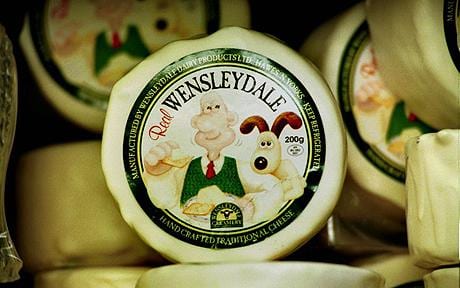
Backing up a bit, for our American readers… in the UK we often have mince pies at Christmas. Simply pastry cases with mincemeat in them. Delicious, especially with a piece of Wensleydale cheese.
(Warning: real research, from a book and not from Wikipedia, follows.) Mincemeat, once upon a time, was actual chopped meat, with spices and fruits added. Gradually it became sweeter and more of a dessert rather than a main course, although mutton was commonly used in mincemeat as late as the early twentieth century. Samuel Pepys records eating mince-pie at Christmas in 1662 (along with “a mess of plum-porridge and roasted pullet”.
I have been a figure of fun amongst some of my friends for making my own mincemeat, despite the fact you can quite easily buy it in jars. A key ingredient is suet, processed beef fat – the best suet comes from the fat surrounding the kidneys, I am told. Anyway, suet doesn’t seem to exist in any supermarkets here in the US, hence my fruitless trek to the butcher at Publix. Luckily in Whole Foods Market, the butcher was only too happy to let me have some beef fat. So this year I can be even more of a figure of fun, because not only have I made my own mincemeat, I have made my own suet too.
Next challenge: converting all our American friends to this peculiarly British delicacy…
 South of the Mason-Dixon line